

When the Heat Is On: Why Battery Storage Is Becoming Essential
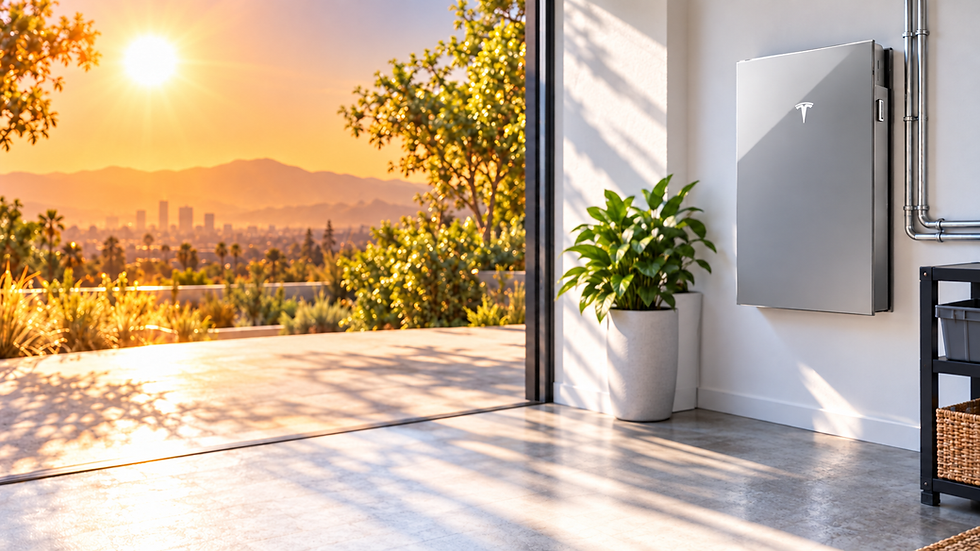
Every summer seems to bring another round of record-breaking temperatures. But extreme heat creates a problem that goes far beyond uncomfortable afternoons—it puts enormous stress on our electric grid.
When temperatures climb into the upper 90s and 100s, millions of air conditioners run at full capacity simultaneously. Electricity demand surges at the exact moment the electrical system becomes less efficient due to ambient heat.
Grid reliability doesn't rely on a single temperature threshold where the power suddenly goes out. Instead, it’s a delicate balancing act involving peak demand, available generation, transmission capacity, and operational reserves.
Extreme Heat Creates a Perfect Storm
High temperatures attack the electrical grid from multiple directions at once:
Surging Demand: Air conditioning units run nearly non-stop across entire regions.
Reduced Efficiency: Transformers, conductors, and power lines run hotter, decreasing their capacity to carry power safely.
Thermal Stress on Generation: Rising ambient temperatures can cause conventional power plants to lose output or operating efficiency.
Sustained Heat Loads: Neighborhood transformers stay heavily loaded for hours—even long after sunset.
This combination leaves utilities with very little margin for error.
An equipment failure or transmission outage that would normally be manageable can suddenly trigger a major crisis. To prevent cascading blackouts, utilities may ask customers to conserve energy, initiate demand-response events, or deploy rolling controlled outages.
Solar Helps—But Solar Alone Isn't Enough
Solar power is an essential asset on hot summer afternoons because peak solar output aligns well with daytime air conditioning use.
However, solar faces a fundamental limitation: the sun eventually sets.
Homes and commercial facilities stay hot well into the evening. As solar production drops off, air conditioning demand remains high. This creates a critical operational challenge: How do we move abundant daytime solar energy into the evening hours when it’s needed most?
The answer is battery storage.
How Batteries Change the Equation
Energy storage allows excess solar electricity generated during the day to be saved rather than immediately sent back to the grid.
That stored energy can be deployed during evening peak hours, high-rate utility periods, or unexpected power outages.
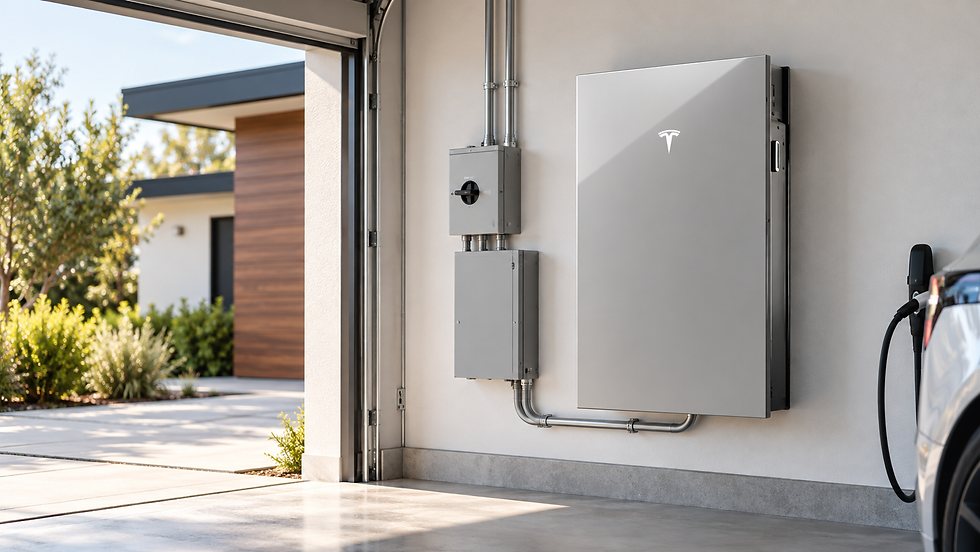
For Homeowners: A properly sized solar-plus-storage system keeps critical loads running during an outage—refrigerators, lighting, well pumps, medical equipment, and even air conditioning.
For Businesses: Battery storage enables peak-shaving, load management, and insulation from costly demand charges.
At the grid level, thousands of distributed battery systems create something even more powerful: a Virtual Power Plant (VPP).
Instead of utilities burning extra fossil fuels or overtaxing infrastructure during the hottest hours of the year, localized energy storage supplies power right where it’s consumed.
The Grid of the Future Is Distributed
Solar and storage fundamentally rewrite that model.
Imagine thousands of homes and businesses across Southern Indiana, Western Kentucky, and Southern Illinois generating and storing their own electricity. On a 100°F afternoon, instead of every building pulling maximum power from the utility simultaneously, localized batteries step in to shoulder the load.
The impact is immediate. It reduces stress on power plants, substations, and local transformers right when those assets are at peak risk.
More Than Backup Power: A Smarter Asset
Many people still view batteries as expensive alternatives to standby generators. But that perspective is changing rapidly.
While a generator sits idle waiting for a rare blackout, a modern battery works for you every day—storing clean solar energy, offsetting high utility rates, managing peak demand, and providing instant backup power when the grid fails.
The real opportunity isn't just keeping one building powered during a storm—it's building a resilient energy ecosystem where communities generate, store, and manage power intelligently.
Preparing Before the Grid Is Stressed
Extreme heat isn't going away, and electricity demand will only increase as transportation, manufacturing, and heating continue to electrify.
Widespread grid failures do not have to be inevitable. By pairing solar generation with modern battery storage, we can build a smarter, more reliable energy grid while giving property owners control over their energy future.
At Morton Solar, we’ve spent decades working with electrical power, industrial controls, automation, and renewable energy systems. We believe the next generation of energy infrastructure won't just consume electricity—it will produce, store, and manage it seamlessly.
When the next extreme heat wave arrives, that capability will be invaluable.


Comments